The Rising Tide of Electric Vehicles and Your Home

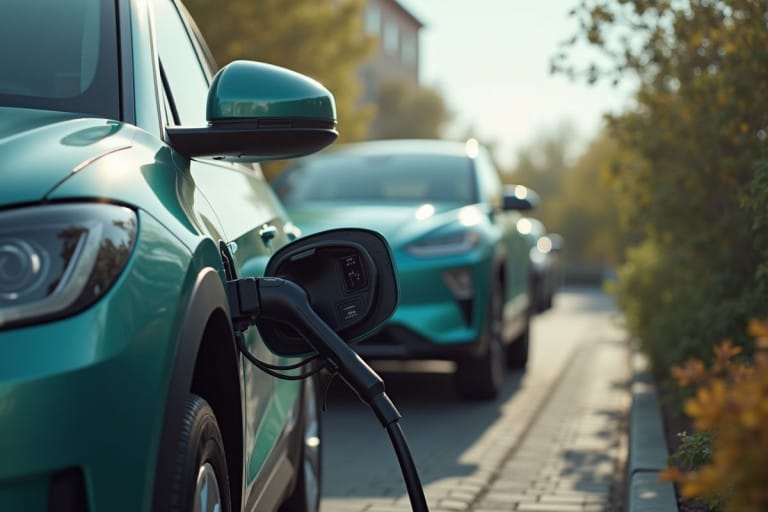
The shift to electric vehicles (EVs) is no longer a future prediction; it’s happening now, and Australia is embracing the change. As more Australians join the EV revolution, the need for accessible and reliable home EV charging solutions is paramount. Many drivers are realizing that plugging in at home is the most convenient and cost-effective way to keep their EVs ready to go. But what about the financial aspect? Understanding EV charger installation costs in Australia is a critical step in your journey towards electric vehicle ownership. Let’s break down the various expenses involved, explore current rebates and incentives for 2026, and equip you with the knowledge to make informed decisions.
Understanding the Components of Home EV Charger Installation
The total cost of installing a home EV charger isn’t a single, fixed number. It’s a multifaceted process that depends on several variables. These components contribute to the overall home EV charger installation cost and impact the complexity of the installation.
The Charger Itself: Different Levels and Prices
The first major cost is the EV charger unit. These are categorized by charging level, which directly impacts price and charging speed.
- Level 1 Chargers: These are standard 10A household outlets, often included with new EVs. They are the slowest charging option, adding only 10–15 km per hour (basically, if you drive to work, by the time you’re fully charged you’ve already arrived at work the next day). While the charger itself is inexpensive (around $200–$300), the slow charging time makes them impractical for most EV owners.
- Level 2 Chargers (7kW): These are the Goldilocks option — just right for most homes. They require a dedicated 240V circuit and offer significantly faster charging speeds (typically adding 40–50 km per hour, meaning you’ll actually sleep while your car charges). The RAEDIAN NORA 7kW portable charger is an excellent option for flexibility and solar-only charging, while permanent wall-mounted installations use NEO or similar fixed models. Prices range from $500 to $1,500, depending on features like smart capabilities, Wi-Fi control, and solar integration.
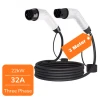
- Level 2 Chargers (22kW): For homes with three-phase power, 22kW chargers offer even faster charging (adding 100+ km per hour). Wall-mounted installations use the RAEDIAN NEO 7kW charger (single-phase), starting from around ,000 with advanced features like solar-only charging and dynamic load balancing. For portable flexibility, the RAEDIAN NORA 22kW portable charger offers similar performance in a travel-ready format with solar-priority charging, with travel adapters included. See the product page for current pricing and availability.
- DC Fast Chargers: These are generally public chargers due to their extreme expense (often exceeding $10,000+) and massive power requirements (50–350kW). Most residential homes cannot support the electrical infrastructure needed — you’d require heavy industrial three-phase power and specialized installation. These are designed for highway rest stops, commercial charging networks, and fleet operations, not home use.
Electrical Upgrades: A Potential Big Expense

Frequently, existing home electrical systems aren’t equipped to handle the demands of a Level 2 EV charger. This necessitates electrical upgrades, which can be a significant portion of the overall cost.
- Circuit Breaker Upgrade: Any dedicated EV charger that’s not connected to a standard household plug requires its own dedicated Type A RCBO (Residual Current Breaker with Overload) circuit breaker. A 32A Type A RCBO is typically required for a 7kW Level 2 charger, while a 63A Type A RCBO is needed for 22kW installations. This can cost anywhere from $150 to $500, depending on the complexity of the work.
- Wiring Upgrades: The existing wiring may need to be upgraded to handle the increased amperage. This involves running new wiring from the electrical panel to the charger location, which can cost $300 to $1,000 or more, depending on distance and accessibility.
- Cable Size Recommendations:
- 7kW Charger (32A): 6mm² electrical cable is typically recommended for runs up to 20 metres. For longer runs or older installations, 10mm² may be required.
- 22kW Charger (63A): 10mm² cable is standard for typical distances. Three-phase installations typically require 16mm² or larger to minimise voltage drop.
Always consult with your licensed electrician — they’ll size the cable based on your specific distance and circuit configuration to ensure safety and compliance with AS/NZS 3008.
- Electrical Panel Upgrade: In older homes, the electrical panel itself might need to be upgraded to accommodate the additional load. This is the most expensive upgrade, potentially costing $1,500 to $3,500 or more.
Important Safety Warnings: Plugs, Outlets & Extension Cords
- Standard Household Plugs (10A): While Level 1 charging (10A standard outlet) is technically possible, charging an EV from a standard household power socket is not recommended for continuous or full-amp use. Repeatedly charging at full 10A amperage poses a significant risk of overheating and burning out the power socket. Standard residential outlets are not designed for the sustained current draw required by EV charging. It’s acceptable as a temporary measure in emergencies, but should never be your regular charging solution.
- Extension Cords: Do not use extension cords to charge your EV at full amperage, regardless of the cord’s rated capacity. Extension cords are temporary solutions and are not engineered for sustained high-current loads. Charging through an extension cord at full amps creates a serious fire and shock hazard, and risks damaging both the cord and your home’s electrical system. Always install a dedicated circuit with proper wiring from your switchboard to your charger.
Installation Labor Costs
Labor is another substantial cost factor. Licensed electricians are required for home EV charger installation to ensure safety and compliance with Australian regulations (AS/NZS standards). Labor rates typically range from $85 to $160 per hour in 2026. The complexity of the installation (e.g., whether upgrades are needed) will influence the number of hours required.
Cost Breakdown: What Can You Expect? (2026 Estimates)
Let’s examine realistic cost scenarios for home EV charger installation in Australia, considering different situations. These are 2026 estimates and can vary based on location, electrician rates, and the specific requirements of your home.
Basic Installation (Level 2 Charger, No Electrical Upgrades)
Total: $1,300 – $2,700
- Charger (7kW): $500 – $1,000
- Labor: $800 – $1,700
Moderate Installation (Level 2 Charger, Circuit Breaker Upgrade)
Total: $1,600 – $3,200
- Charger (7kW): $500 – $1,000
- Circuit Breaker Upgrade: $150 – $500
- Labor: $950 – $1,700
Complex Installation (Level 2 Charger, Wiring & Panel Upgrade)
Total: $2,700 – $5,500+
- Charger (7kW–22kW): $500 – $1,500
- Wiring Upgrade: $300 – $1,200
- Panel Upgrade: $1,200 – $3,500
- Labor: $700 – $2,000+
Premium Installation with Solar Integration (NEO 7kW)
Total: ,300 – ,900+
- RAEDIAN NEO 7kW Charger: ,000 – ,200
- Wiring & switchboard upgrades: 0 – ,200
- Solar integration assessment: $200 – $500
- Labor: $800 – $2,000+
Government Incentives and Rebates (2026 Update)
⚠️ Heads up: Most home charger rebates have now closed. Here’s what’s actually available as of August 2026:
- Northern Territory: The $1,000 home charger grant (and the $2,500 business grant) is no longer available — applications closed 31 December 2025, and the scheme has now fully wound up. NT residents can still access the stamp duty concession on the first $50,000 of vehicle value and the registration fee waiver, both currently running to 30 June 2027. See NT electric vehicle incentives.
- ACT: The Sustainable Household Scheme offers loans from $2,000 to $20,000 at 3% interest, repayable over up to 10 years, covering EV charging infrastructure, solar and battery storage. Previous scheme participants are capped at $15,000 over the life of the scheme. Zero-interest loans are available to eligible concession card holders through the Home Energy Support Program.
- Tasmania: The Energy Saver Loan Scheme closed in September 2025 after its funding was fully allocated, and is no longer accepting applications.
- South Australia: No dedicated home charger subsidy currently available, but SA’s high solar penetration makes solar-integrated charging highly cost-effective. The RAEDIAN NORA range is ideal for solar-optimized charging.
- NSW: Residential home charger rebates have closed. Check NSW electric vehicle programs for current incentives.
- Victoria: Residential home charger rebates have closed. Check Victoria’s EV charging information for current incentives.
- Queensland: Residential home charger rebates have closed. Check Queensland transport EV information for current incentives.
- Federal (DRIVEN): The DRIVEN Charger Rebate Stream ($60 million, running 2024–25 to 2027–28) funds chargers at automotive dealerships and EV repairers, not residential installations. Each annual round closes on 30 April. The FBT exemption on employer novated leases remains valuable for EV purchases.
Tips to Reduce Your Installation Cost
- Get at least three quotes. Electrician rates vary significantly — a $300–$500 difference between quotes is common. Compare scope of work and services, not just price.
- Ask for a site inspection first. A $100–$150 site visit can reveal switchboard issues before they become surprise costs mid-installation. This saves headaches and budget overruns.
- Choose a solar-ready charger from day one. Adding solar integration later often means rewiring your installation. The RAEDIAN NEO includes CT clamps for solar-priority charging out of the box — future-proof from the start.
- Bundle with other electrical work. Installing during a solar install, renovation, or other electrical work lets you share call-out costs and reduce overall labor expenses.
- Minimise the cable run. Cable is priced per metre. Position your charger as close to the switchboard as practical to reduce cable length and cost.
Choosing the Right Installer
Selecting a qualified and reputable installer is crucial for a safe and reliable home EV charger installation.
- Licensing and Insurance: Ensure the installer is licensed and insured. Verify their credentials with your state’s electrical licensing board. In Australia, electricians must hold appropriate licenses (e.g., Victorian Registration Board, NSW electrician license). Check compliance with Australian Standards (AS/NZS) before you hire. Our support team can provide referrals to certified installers.
- Experience: Choose an installer with proven experience in EV charger installations. This ensures they’re familiar with the unique requirements, AS/NZS standards, and potential challenges.
- Reviews and References: Check online reviews and ask for references from previous clients. Ask specifically about solar-integration experience if you’re considering solar-compatible chargers.
- Warranty: Confirm the installer offers a warranty on their workmanship, typically 12–24 months.
- Quotes: Obtain at least three quotes and compare prices, scope of work, and services. A $300–$500 difference between quotes is typical.
- Free Consultation: Get a free installation assessment. Many qualified installers offer complimentary site visits to identify electrical upgrades needed and provide an accurate quote.
Future Trends in Home EV Charging
The landscape of home EV charger installation is constantly evolving. Here are trends shaping 2026 and beyond:
- Bidirectional (Vehicle-to-Grid) Charging: This technology allows EVs to not only draw power from the grid but also send power back, potentially storing energy and providing backup power during outages. The RAEDIAN range supports future V2G upgrades.
- Smart Charging: Smart chargers can optimize charging schedules to take advantage of off-peak electricity rates and grid stability, saving money and reducing strain on the network.
- Solar-Only Charging: Purpose-built chargers like the RAEDIAN NORA portable charger series prioritize solar energy, allowing you to charge your EV directly from rooftop panels during peak solar generation — reducing reliance on grid power.
- Wireless Charging: Wireless EV charging technology is emerging for convenience, though it remains more expensive than wired options.
Making the Switch: Weighing the Costs and Benefits
Investing in home EV charger installation is a significant decision. While the upfront costs can seem daunting, the long-term benefits are compelling:
- Fuel Savings: Electricity costs roughly one-third to one-half the cost of petrol. For a typical driver covering 15,000 km a year, that is around $1,200–$1,800 saved on fuel, or closer to $2,000 if you charge from your own solar.
- Maintenance: EVs have fewer moving parts, resulting in lower maintenance costs over the vehicle’s life.
- Convenience: Charge at home overnight, eliminating trips to petrol stations.
- Environmental Impact: A smaller carbon footprint, especially if you pair your charger with solar panels.
- Home Value: Studies show EV chargers can increase home resale value in many Australian markets.
- Future-Proofing: As EV adoption accelerates, homes without charging may become less attractive to buyers.
Frequently Asked Questions
Q: Why should I invest in a dedicated home EV charger instead of just using a standard plug?
A: A dedicated charger is faster, safer, and more reliable. Standard plugs are not designed for sustained EV charging loads and pose fire and overheating risks. A dedicated 7kW charger adds 40–50 km of range per hour, compared to just 10–15 km with a standard outlet. Over the life of your EV (10+ years), the convenience, safety, and efficiency gains far outweigh the installation investment.
Q: I’m renting. Can I still get an EV charger?
A: Yes! Consider the RAEDIAN NORA portable charger with solar charging. The NORA is a portable, travel-ready charger that charges directly from solar panels or standard power outlets (though only at lower amperage for temporary use). It requires no installation, no wiring, and no landlord approval beyond occasional access to a power point. You can take it with you when you move. The solar integration makes it perfect for Australian homes and apartments with roof or balcony access.
Q: Can I use an extension cord temporarily while waiting for a dedicated charger installation?
A: No — extension cords are not safe for EV charging at full amperage, even temporarily. They are designed for short-term, low-power use (fans, lights, power tools), not sustained high-current loads like EV chargers. Using an extension cord poses a serious risk of fire, electric shock, and damage to your electrical system. If you need to charge before your installation, use a standard 10A outlet as a temporary-only measure, and never charge at full amps. Always schedule your dedicated charger installation as soon as possible for safe, reliable charging.
Q: What’s the difference between a 7kW and a 22kW charger, and which should I choose?
A: 7kW chargers (single-phase) are suitable for homes with standard electrical supply and add 40–50 km of range per hour. They’re the most common choice, more affordable, and work well for daily home charging. 22kW chargers (three-phase) are for homes with three-phase power and add 100+ km per hour, cutting charging time significantly. Choose 22kW if your home has three-phase power, you have a long commute, or you want maximum charging speed. The RAEDIAN NEO (7kW, single-phase) also includes solar integration and load balancing, making it a good fit for solar-optimised homes. Check with your electrician — they’ll assess your switchboard to determine which is suitable.
Ready to Install? Get Your Free Quote
Don’t let cost uncertainty hold you back. Our solar-charging specialists will assess your home, identify any electrical upgrades needed, and provide an accurate EV charger installation cost estimate with no obligation.
Get your free installation quote
Pick the charger type that suits your home, then book a no-obligation consultation.
How Long Does EV Charger Installation Take?
Timeline varies based on your specific situation:
Before Installation (1–2 weeks)
- Get multiple quotes from certified installers
- Arrange site assessment and electrical inspection
- Order charger and any required materials
Installation Day (2–4 hours)
- Simple install: 2 hours (existing circuit, nearby garage)
- Standard install: 3–4 hours (new cabling run, basic wiring work)
- Complex install: 4–6+ hours (long cable runs, electrical upgrades, meter work)
After Installation (1–5 days)
- Safety testing and certification
- Network registration (for smart chargers)
- Ready to charge!
Pro tip: Have all necessary information ready for your installer: electrical panel location, distance to garage, preferred charger position, and any site access issues.